Many people wonder: does swimming build muscle? The answer is yes. While it may not create bulky arms like weightlifting, swimming builds lean muscle across the entire body. It uses water resistance to challenge muscles in a low-impact way. This makes it ideal for long-term strength training.
Moreover, every stroke engages multiple muscle groups. Freestyle works shoulders and core. Breaststroke targets thighs and hips. Butterfly activates the back and chest. Because you move against constant resistance, your body adapts over time. As a result, does swimming build muscle? Absolutely—especially when done consistently.
 How Water Resistance Contributes to Muscle Growth
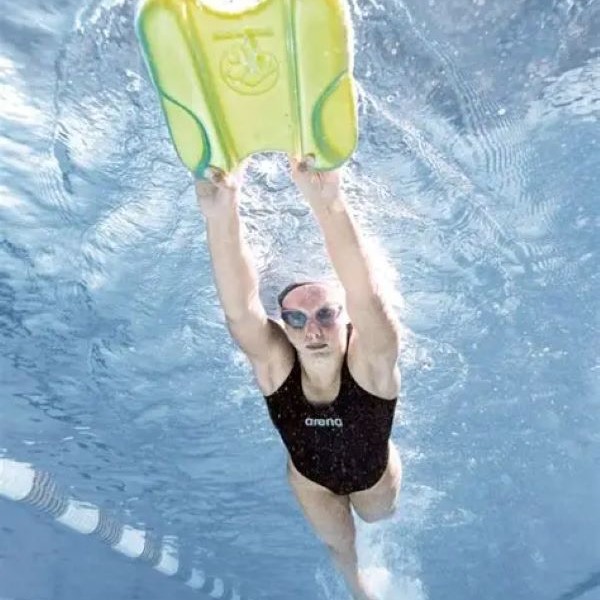
Water is 800 times denser than air. That means every movement creates resistance. When you push through it, your muscles work harder. This leads to gradual toning and growth.
Unlike free weights, water provides even pressure. There are no gravity gaps. Muscles stay under tension throughout each motion. This increases time under load. As a result, fibers strengthen faster.
Each stroke requires force. You pull, kick, and rotate with control. These motions activate stabilizing muscles too. Core engagement happens naturally. Balance improves without extra effort.
Swimming also reduces joint strain. No heavy loads crush knees or spine. Yet muscles still grow. This makes it safe for all ages. Injuries don’t stop progress.
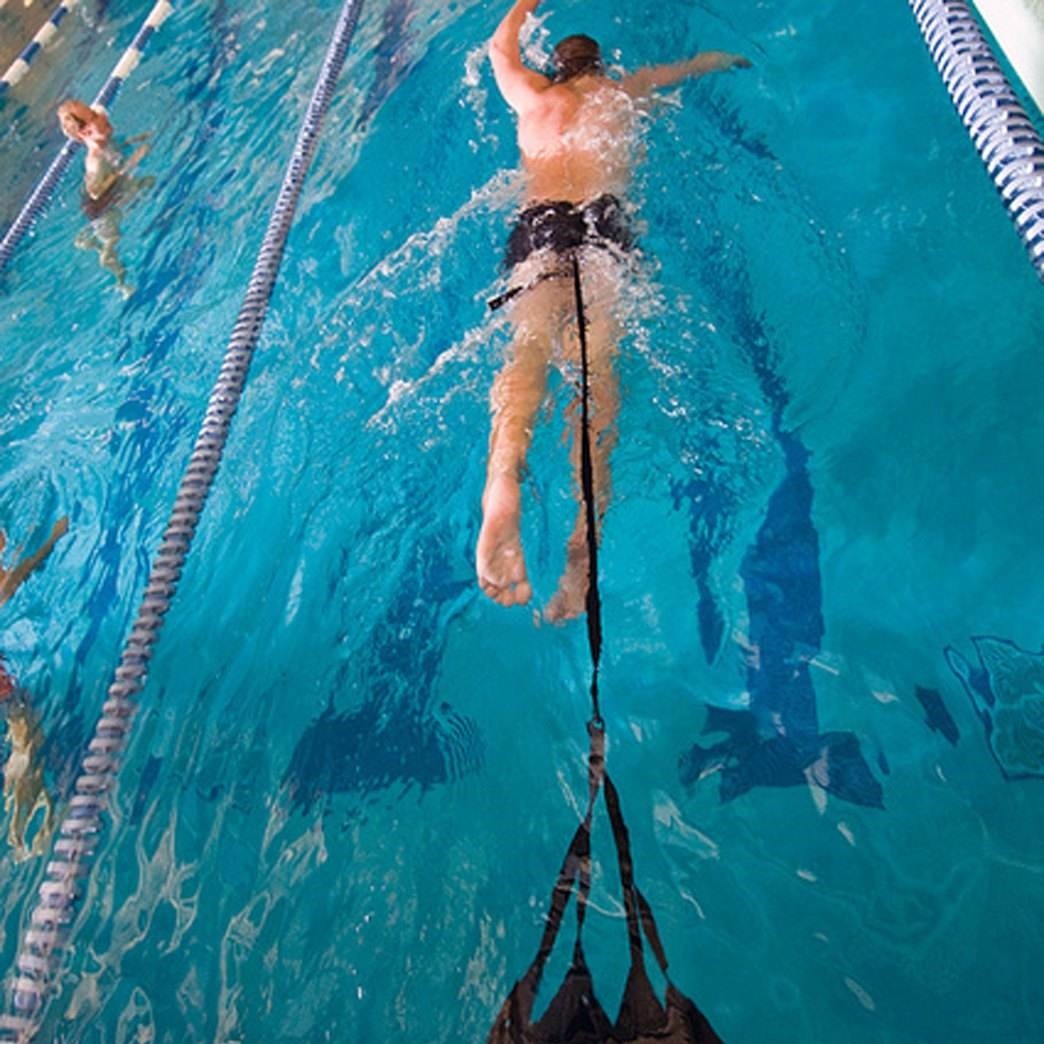
Progressive overload applies here too. To keep building, increase distance or speed. Add intervals or use paddles. Each change forces adaptation.
Consistency matters most. Short sessions won’t trigger growth. But regular laps do. Over weeks, definition appears. Shoulders broaden. Legs become firmer.
Even slow swimmers benefit. Technique-focused drills build endurance. Endurance supports muscle stamina. Long holds improve tone.
Ultimately, resistance equals results. Water replaces weights. Does swimming build muscle? Yes—with smart training.
Which Strokes Target Specific Muscle Groups
Different strokes emphasize different areas. Choosing one depends on your fitness goals. Each style brings unique benefits.
Freestyle strengthens shoulders and upper back. The continuous arm rotation builds deltoids and lats. Kicking keeps quads and calves active. It’s great for full-body conditioning.
Breaststroke focuses on inner thighs and glutes. The whip kick requires strong hip flexors. Chest muscles assist during the pull phase. It’s excellent for lower body power.
Butterfly demands total coordination. It activates the core, chest, and triceps. The dolphin kick powers from the abdomen. This stroke burns high calories. It also builds upper body strength fast.
Backstroke improves posture. It opens up tight chest muscles. Shoulder rotators gain flexibility. Lower back and hamstrings get engaged. It balances out forward-leaning habits.
Sidestroke is often overlooked. It works obliques and hip adductors. Smooth transitions build control. It’s useful for rescue training and rehabilitation.
Mixed sets maximize results. Rotate strokes every few laps. This prevents plateaus. Variety challenges new muscle fibers.
Sprint intervals boost intensity. Short bursts of butterfly followed by freestyle recovery build power. Anaerobic effort increases muscle response.
Drills like single-arm pulls isolate weak spots. They correct imbalances. Precision leads to better performance.
No matter your goal, there’s a stroke that helps. Combine them for full development. Does swimming build muscle? Every stroke says yes.
 Comparing Swimming to Traditional Weight Training
Weight lifting uses gravity-based resistance. You lift metal to break down muscle fibers. Recovery then builds them bigger. This method creates bulk quickly.
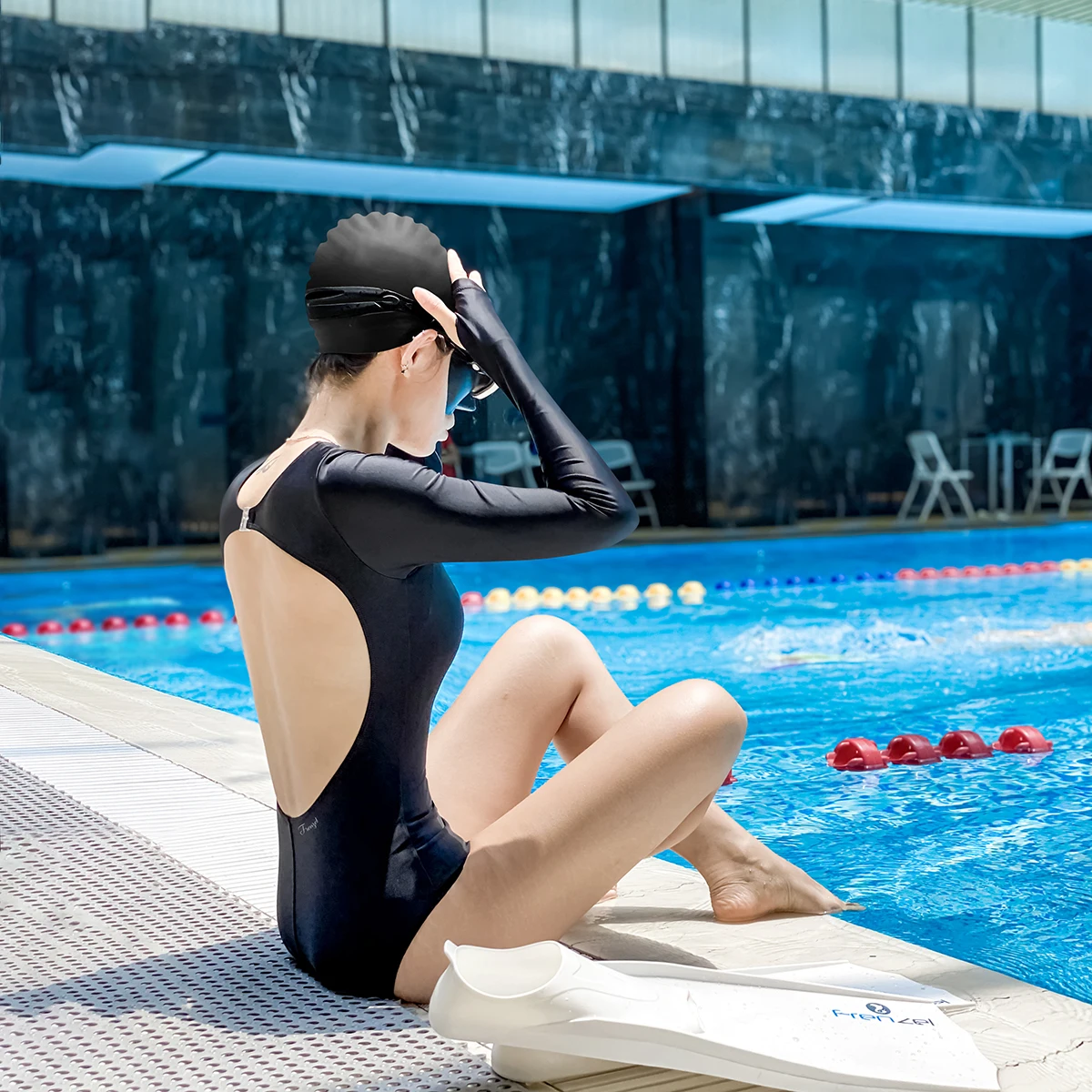
Swimming uses fluid resistance. It tones without bulking. Muscles lengthen and tighten. The look is athletic, not massive. Swimmers develop sleek, defined shapes.
Weights isolate muscles. Bicep curls target one area. Leg presses focus on quads. This allows precision but limits overall function.
Swimming integrates everything. One lap involves arms, legs, and core. Coordination is required. Functional strength grows naturally.
Joint safety favors swimming. No dropped dumbbells or strained backs. Water supports body weight. Injury risk drops significantly.
Time efficiency differs. Lifting needs rest between sets. Swimming flows continuously. Cardio and strength happen at once.
Recovery is faster in water. Less micro-tearing occurs. Soreness decreases. You can train more days per week.
Beginners adapt easily. No need to learn complex routines. Just start moving. Progress comes with practice.
Advanced athletes use both. Many swimmers add dryland training. Bands, squats, and planks support pool work.
Still, swimming stands alone as a complete workout. It builds endurance and tone. For those avoiding gyms, it’s a powerful alternative.
So, does swimming build muscle like weights? Not identically. But it builds functional, balanced muscle effectively.
Why Low-Impact Exercise Still Builds Strength
People assume only heavy lifting builds muscle. However, resistance—not impact—is what triggers growth. Swimming offers resistance without pounding joints.
Cartilage and tendons stay protected. Runners often face knee pain. Swimmers rarely do. This allows daily training. Consistent effort leads to gains.
Muscle fatigue happens underwater too. Arms tire after 20 laps. Breathing becomes labored. These are signs of exertion. Growth follows soon after.
Hydrostatic pressure aids circulation. Blood returns to the heart faster. Nutrients reach muscles quicker. Recovery speeds up.
Inflammation reduces with cool water. Swelling goes down after workouts. Joint mobility improves. Chronic pain sufferers find relief.
Older adults benefit greatly. Aging causes muscle loss. Swimming slows sarcopenia. Lean mass stays stable with routine.
Rehab patients rebuild safely. After surgery, movement restarts gently. Water supports healing tissues. Strength returns without re-injury.
Children build coordination early. Youth programs teach form. Healthy habits begin young. Lifelong fitness starts in pools.
Even elite athletes cross-train in water. NFL players swim during recovery weeks. NBA stars use it to reduce swelling.
Low impact doesn’t mean low effort. Intensity controls results. Push hard, and muscles respond.
Yes, does swimming build muscle? Especially when used wisely. Impact level doesn’t limit growth.
 How Often Should You Swim to See Results
Frequency affects outcomes. Once a week maintains basic health. But to build muscle, three to five sessions are better.
Each session should last 30 to 60 minutes. Start with easy laps. Gradually increase pace and distance. Let your body adjust.
Aim for consistent effort. Moderate intensity works best. You should breathe heavily but still speak in short phrases.
Add variety weekly. Mix strokes and drills. Include sprints and endurance sets. Change keeps muscles challenged.
Rest days help recovery. Muscles grow during downtime. Take one or two off per week. Listen to your body.
Morning swims jumpstart metabolism. Energy levels rise. Focus improves throughout the day.
Evening sessions relieve stress. Warm-down laps calm the mind. Sleep quality increases.
New swimmers see changes in 4–6 weeks. Tone becomes visible. Stamina improves. Clothes fit differently.
Long-term commitment brings dramatic results. After 12 weeks, shoulders broaden. Core tightens. Posture straightens.
Teens and seniors notice differences too. Growth and maintenance both occur. Age doesn’t block progress.
Track progress with photos or measurements. Don’t rely only on scale weight. Muscle weighs more than fat.
Does swimming build muscle? Only if done regularly. Show up, and results follow.
Diet and Nutrition to Support Muscle Gain from Swimming
Exercise builds muscle, but food fuels it. Protein intake must increase. Aim for 1.6 to 2.2 grams per kilogram of body weight.
Good sources include eggs, chicken, fish, beans, and Greek yogurt. Plant-based proteins work too. Tofu and lentils support vegan diets.
Eat after every swim. A post-workout snack within 30 minutes boosts recovery. Chocolate milk or a protein smoothie works well.
Carbohydrates refuel energy stores. Whole grains, fruits, and vegetables provide lasting fuel. Avoid processed sugars.
Healthy fats support hormone balance. Avocados, nuts, and olive oil help. Omega-3s reduce inflammation.
Stay hydrated. Water carries nutrients to cells. Dehydration slows muscle repair. Drink before, during, and after swimming.
Meal timing matters. Eat small meals every 3–4 hours. This keeps amino acids available. Continuous supply prevents breakdown.
Avoid skipping meals. Starvation mode stops growth. Even healthy eaters sometimes undereat. Track portions if needed.
Supplements can help. Whey protein, creatine, and BCAAs are popular. Always consult a doctor first.
Listen to hunger cues. Increased appetite means muscles are working. Honor your body’s signals.
Nutrition and swimming go hand in hand. Effort in the pool needs fuel outside. Does swimming build muscle? Only with proper diet.
 Frequently Asked Questions
Can swimming give you abs?
Yes. Core muscles engage constantly. Strong, defined abs appear with consistency.
Is swimming better than running for muscle?
Yes. Running builds leg endurance. Swimming builds full-body muscle. Both have value.
How many laps build muscle?
It depends on intensity. Ten hard laps beat twenty slow ones. Focus on effort, not just count.
Do beginners see results?
Yes. Newcomers gain fastest. Body adapts quickly. Early progress motivates continued effort.
Can you bulk up from swimming?
Not like weightlifting. But you gain lean, firm muscle. Size increases moderately.
Should I combine swimming with gym workouts?
Yes. Best results come from combining both. Dryland training adds power.
Does breaststroke build leg muscle?
Yes. Whip kicks engage glutes, quads, and inner thighs. It’s highly effective.
Will swimming make me skinny?
No. It builds muscle while burning fat. Body composition improves. You become toned.
 Final Thoughts on Does Swimming Build Muscle
So, does swimming build muscle? The evidence shows it absolutely does. It develops lean, strong, and flexible muscle across the entire body. Unlike high-impact sports, it protects joints while delivering real results.
From freestyle to butterfly, each stroke contributes to growth. Resistance, repetition, and range of motion all play roles. With proper frequency and nutrition, noticeable changes occur in weeks.
Whether you’re rehabbing an injury, training for competition, or starting a fitness journey, swimming offers unmatched versatility. It combines cardio, strength, and flexibility in one activity.
Now is the perfect time to take advantage of this powerful workout. Whether you dive into a local pool or join a masters program, the path to stronger muscles begins with one lap. Remember, does swimming build muscle? Yes—if you commit to showing up, staying consistent, and feeding your body right.